5 Simple Ways to Improve Focus in Any Workspace
Introduction to Focus in the Workspace
In the ever-evolving landscape of modern work environments, the concept of focus has emerged as a pivotal factor influencing productivity and effectiveness. Focus refers to the ability to direct one’s attention towards specific tasks while resisting distractions that may hinder performance. The importance of maintaining a sharp focus cannot be overstated, as the efficiency and quality of work are heavily reliant on how well individuals can concentrate in their surroundings.
However, sustaining focus in contemporary workspaces poses numerous challenges. Today’s work environments are often replete with distractions, including digital notifications, open office layouts, and social interactions that can divert attention away from pressing tasks. These interruptions can disrupt the flow of thought and lead to decreased productivity, ultimately affecting overall performance. As employees encounter a multitude of stimuli vying for their attention, the ability to concentrate on the job at hand becomes increasingly difficult.
Recognizing the factors that contribute to a lack of focus is essential for developing effective strategies to combat these challenges. Many individuals grapple with an overstimulating work environment that can lead to feelings of overwhelm and frustration. In addition, the prevalence of multitasking is often touted as an efficient approach; however, it can paradoxically result in diminished focus and increased cognitive fatigue. The need for simple and practical solutions to enhance focus in any workspace is thus amplified, underscoring the significance of identifying techniques that can facilitate sustained attention.
As we explore various methods to improve focus throughout this blog post, it becomes evident that fostering a more concentrated work atmosphere is not only achievable but essential for maximizing productivity and attaining professional goals.
The Importance of Blue Light Glasses
In today’s digital age, the presence of screens in our daily routines has become ubiquitous, leading to increased exposure to blue light. Blue light is a high-energy visible light emitted by devices such as computers, smartphones, and televisions. While blue light plays a pivotal role in regulating our sleep-wake cycles and overall circadian rhythms, excessive exposure, particularly during the evening, can lead to digital eye strain. Symptoms may include fatigue, dryness, and discomfort, which can ultimately impact our ability to focus effectively in our workspaces.
Blue light glasses have emerged as a popular solution to mitigate the negative effects associated with prolonged screen time. These specialized glasses are designed to filter out a significant portion of blue light emitted from electronic devices. By wearing blue light glasses, individuals can reduce glare and minimize eye strain, thus promoting improved comfort and focus. This is particularly beneficial for those who spend extended hours in front of screens, as they can help alleviate the discomfort that often accompanies prolonged exposure.
Moreover, the science behind blue light reveals its potential to disrupt circadian rhythms. The exposure to blue light, especially during evening hours, can inhibit the production of melatonin, a hormone that regulates sleep. This disruption may result in difficulties falling asleep and can affect cognitive functions, including concentration and clarity of thought. By utilizing blue light glasses throughout the day, individuals can not only protect their eyes from fatigue but also enhance their overall productivity and focus.
In conclusion, incorporating blue light glasses into one’s daily routine can serve as an effective strategy for managing the adverse effects of screen exposure. By safeguarding eye health and improving focus, these glasses play a vital role in fostering a more conducive work environment.
Enhancing Focus with Noise-Reducing Earbuds
In today’s fast-paced work environments, auditory distractions can significantly hinder one’s ability to concentrate. Whether it is the chatter of colleagues, the hum of office equipment, or the noise of bustling city life, these interruptions can break the flow of thought and reduce productivity. This is where noise-reducing earbuds play a pivotal role in enhancing focus. By employing advanced noise-canceling technology, these earbuds create a serene auditory environment that allows individuals to maintain their concentration and accomplish tasks more efficiently.
Noise-reducing earbuds function by either passive or active noise cancellation. Passive noise isolation involves the physical blocking of sound through well-designed earbud structures, while active noise cancellation uses microphones to pick up surrounding sounds and then generate sound waves that effectively cancel these noises. This dual approach enables earbuds to provide an effective solution for those who are easily distracted by their surroundings. The impact of such technology aids in creating an immersive experience, enabling individuals to delve into their work without being pulled away by unwanted sounds.
While selecting the right pair of noise-reducing earbuds, several factors should be taken into account. The fit and comfort of the earbuds are crucial, especially for extended use. Earbuds that come with multiple ear tip sizes can enhance comfort and ensure a better seal for noise isolation. Additionally, battery life is an essential consideration for active noise-canceling models, as lengthy work sessions may require a dependable power source. Individuals should also explore features like ambient sound modes, which allow a level of awareness of the surrounding environment without sacrificing focus.
Ultimately, noise-reducing earbuds can be an invaluable tool for anyone looking to improve their concentration in a busy workspace. By minimizing auditory distractions, they allow users to create their own focused oasis, thus enhancing overall productivity and work satisfaction.
Using an Aromatherapy Diffuser for Better Concentration
Aromatherapy has gained popularity as a natural method to enhance mental clarity and concentration within various workspaces. The use of an aromatherapy diffuser can effectively transform the atmosphere, promoting a state conducive to focus and productivity. Certain essential oils, when diffused, have been shown to stimulate cognitive function and reduce stress, thereby improving overall concentration.
For instance, essential oils such as peppermint, rosemary, and lemon are particularly noted for their invigorating properties. Peppermint oil is known to increase alertness and memory retention, while rosemary has been linked to improved cognitive performance and concentration. Lemon essential oil not only provides a refreshing scent but also creates an uplifting environment that can help combat fatigue and maintain focus throughout prolonged tasks.
Using an aromatherapy diffuser is straightforward. Begin by selecting high-quality essential oils known for their concentration-enhancing effects. Fill the diffuser with water as per the manufacturer’s instructions, then add a few drops of your chosen oil. It is advisable to start with three to five drops, allowing you to adjust the fragrance level based on personal preference and sensitivity. Once assembled, turn on the diffuser and allow the aroma to permeate the workspace. This steady release of essential oils will not only provide a pleasant scent but also create a calming atmosphere conducive to concentration.
To maximize the benefits, consider using the diffuser during peak work hours or during tasks that require intense focus. Additionally, mixing different essential oils can create a unique blend tailored to your specific needs, further enhancing the aromatherapy experience. In conclusion, incorporating an aromatherapy diffuser into your workspace can be a simple yet effective way to boost concentration, reduce stress, and create a pleasant working environment. By strategically selecting and using essential oils, one can foster an atmosphere that promotes better cognitive function and productivity.
Maximizing Productivity with a Productivity Timer
Time management is a crucial skill in today’s fast-paced work environment, where distractions abound and maintaining focus is essential for productivity. One effective tool to facilitate this skill is a productivity timer, which assists in structuring work sessions into manageable intervals. A prominent technique that utilizes a productivity timer is the Pomodoro Technique, which divides work into 25-minute blocks followed by short 5-minute breaks. This method not only helps maintain concentration but also encourages regular intervals of rest, which can enhance overall efficiency.
To implement a productivity timer effectively in your daily routine, start by choosing a timer that fits your preferences—this could be a physical timer, a smartphone app, or a digital stopwatch. Begin by identifying the tasks you need to focus on, setting clear goals for each interval. For example, during each 25-minute work session, dedicate your full attention to one specific task without any interruptions. By channeling your efforts into focused bursts of productivity, you can diminish the cognitive overload that often leads to burnout and decreased performance.
After each work interval, use the subsequent short break wisely. Engage in activities that help to refresh your mind, such as stretching, taking a short walk, or practicing deep-breathing exercises. This break allows you to recharge and return to your task with renewed vigor and focus. Additionally, over time, assess your progress by evaluating how many intervals you can successfully complete in a day. Adjust your productivity timer sessions as necessary—some may find longer intervals work better, while others prefer shorter ones for a faster pace.
Incorporating a productivity timer into your work routine is an excellent way to enhance focus and maximize productivity. By adopting techniques such as the Pomodoro Technique, you can create a structure that promotes both efficiency and mental well-being in your workspace.
The Role of Fidget Tools in Maintaining Focus
Fidget tools have become increasingly popular as a means to enhance focus and concentration within various work environments. These tools, which include items such as stress balls, fidget spinners, and sensory rings, provide tactile stimulation that engages the hands and mind. This interaction can help to improve attention spans and facilitate cognitive processing, especially during monotonous or repetitive tasks.
The underlying principle of fidget tools is rooted in the concept of neural stimulation. When individuals use these tools, they often engage their motor skills, allowing the brain to channel energy and attention outward. This can lead to improved mental clarity since the act of fidgeting may help to distract from intrusive thoughts that hinder productivity. As a result, fidget tools can create a more conducive work atmosphere by promoting a state of relaxed focus.
Different types of fidget tools cater to various preferences and needs. For instance, stress balls provide a satisfying tactile response for those in need of a physical outlet, while fidget spinners offer a visual distraction that some individuals find calming. Other options, such as clicking pens or textured bracelets, allow users to fidget discreetly in environments where more pronounced movements might be distracting. Tailoring the choice of fidget tool to the specific work setting and personal comfort is essential for maximizing their benefits.
However, it is crucial to maintain a balance between fidgeting and staying on task. While fidget tools can enhance focus for many, excessive movement can potentially lead to distractions for both the user and their coworkers. Individuals should be conscious of the environment and assess when and how to utilize these tools effectively. Through mindful application, fidget tools can serve as valuable assets in cultivating concentration and improving overall productivity within the workspace.
Creating a Focus-Friendly Workspace
Establishing a focus-friendly workspace is crucial for enhancing concentration and productivity. The design and layout of your work environment play a pivotal role in minimizing distractions and promoting a conducive atmosphere for focus. To optimize your workspace, consider implementing several key strategies that cater to your personal needs and preferences.
First, arranging your physical workspace in a way that promotes functionality can significantly improve focus. Ensure that all essential tools and materials are easily accessible, reducing the need for unnecessary movement or interruptions. A clutter-free desk, equipped with only necessary items, fosters a more organized environment that is conducive to concentrating on tasks. Additionally, consider the positioning of your workstation; facing a wall or a quiet corner can minimize visual distractions from colleagues or external activities.
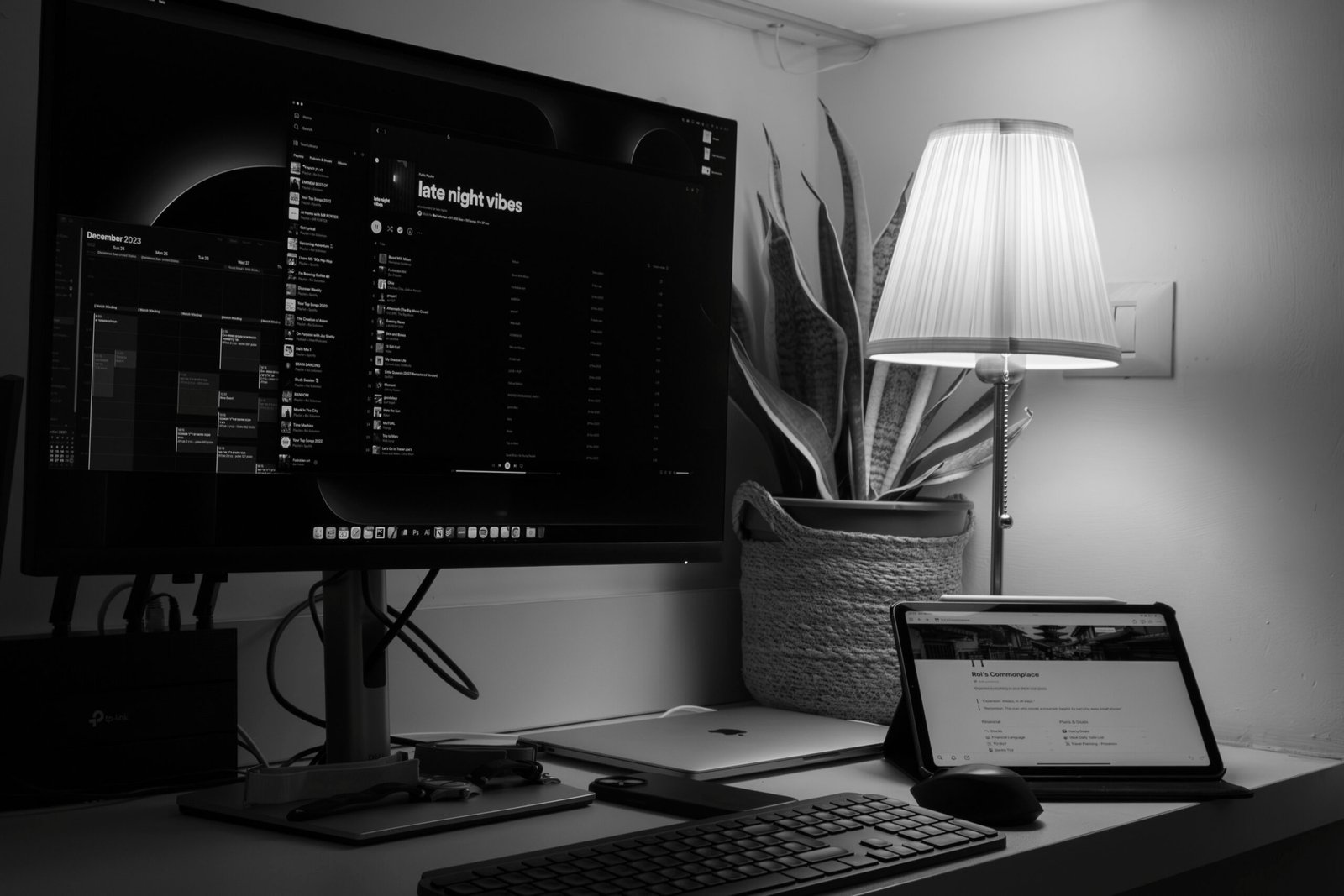
Next, incorporating elements that promote sensory comfort can also enhance focus. If possible, personalize your workspace with items that inspire calmness and creativity, such as plants, artwork, or photographs. The use of proper lighting is equally important; opt for natural light when feasible, and utilize desk lamps or soft lighting to avoid harsh, distracting illumination. Furthermore, sound quality can impact your ability to maintain concentration. Noise-cancelling headphones and ambient music or white noise can help drown out distractions, allowing you to immerse yourself in your work.
Establishing a routine is another vital component of a focus-friendly workspace. Allocating specific times for focused work and regular breaks can create a balanced workflow. During breaks, step away from your workstation to recharge; this practice helps maintain mental clarity and stamina for longer periods of work. Lastly, continuously adapt and personalize your workspace based on your evolving needs. Regularly assess what works for you, whether it’s adjusting the layout, introducing new focus tools, or establishing new habits that promote a focused mindset. By implementing these strategies, you can create an environment that supports and enhances your focus, ultimately leading to better productivity and job satisfaction.
Overcoming Common Barriers to Focus
Maintaining focus in any workspace can often be hindered by several common barriers. These obstacles can stem from personal habits, environmental factors, or mental fatigue, each of which can significantly impede productivity. Understanding these challenges is the first step in developing effective strategies to enhance focus.
Personal habits play a crucial role in determining one’s ability to concentrate. For instance, a tendency to multitask might seem efficient but can lead to decreased productivity and fragmented attention. To combat this, individuals should prioritize tasks by focusing on one assignment at a time. Implementing techniques such as time-blocking can ensure that dedicated periods are allocated for specific tasks, thereby fostering stronger focus.
Environmental factors also influence concentration levels in the workplace. Distractions such as noise, clutter, or inadequate lighting can detract from one’s ability to immerse in tasks. To create a conducive workspace, consider optimizing your physical environment. This might involve utilizing noise-cancelling headphones, decluttering your desk, or adjusting lighting to reduce eye strain. Additionally, establishing designated quiet zones can help cultivate an atmosphere that encourages better focus.
Mental fatigue, often resulting from prolonged periods of work without breaks, can severely undermine focus. It is essential to recognize the signs of mental exhaustion and implement regular breaks to rejuvenate the mind. Techniques such as the Pomodoro Technique, which involves working for 25 minutes followed by a 5-minute break, can be effective in maintaining mental clarity and enhancing overall productivity.
By addressing these common barriers to focus, individuals can create a more effective and pleasant working atmosphere. Identifying personal habits, optimizing environmental conditions, and managing mental fatigue are pivotal strategies that can lead to improved concentration and efficiency within any workspace.
Conclusion: Commitment to Improving Focus
Improving focus in any workspace is a multifaceted endeavor that requires dedication and a willingness to experiment with different strategies. Throughout this blog post, we have explored five simple yet powerful methods designed to enhance concentration and productivity. From organizing your physical workspace to implementing effective time management techniques, each approach serves as a building block towards fostering an environment conducive to focus.
First, maintaining a clutter-free workspace is paramount. An organized environment not only minimizes distractions but also promotes a clearer mindset. Secondly, utilizing tools such as task lists and digital planners can significantly enhance one’s ability to prioritize and manage time efficiently. Establishing regular work intervals followed by short breaks, as discussed in the Pomodoro Technique, also plays a crucial role in sustaining focus over longer periods.
Furthermore, the integration of mindfulness and mental breaks can boost cognitive function and creativity, allowing individuals to reconnect with their tasks more effectively. Lastly, fostering a positive attitude and demonstrating self-compassion in the face of distractions can enable people to remain committed to their focus goals. Each of these strategies is designed to complement one another and can be tailored to fit the unique needs of the individual.
As you reflect on the methods outlined in this post, consider which tools resonate most with your own work style and commitments. It may be beneficial to implement one or more of these strategies gradually and observe their impact on your ability to concentrate. We encourage you to share your personal experiences and any additional methods you employ to maintain focus. Your feedback is invaluable and could contribute to the collective knowledge on this important topic.
